About
Lorem ipsum dolor sit amet, consectetur adipiscing elit, sed do eiusmod tempor incididunt ut labore et dolore magna aliqua.
About
Lorem ipsum dolor sit amet, consectetur adipiscing elit, sed do eiusmod tempor incididunt ut labore et dolore magna aliqua.

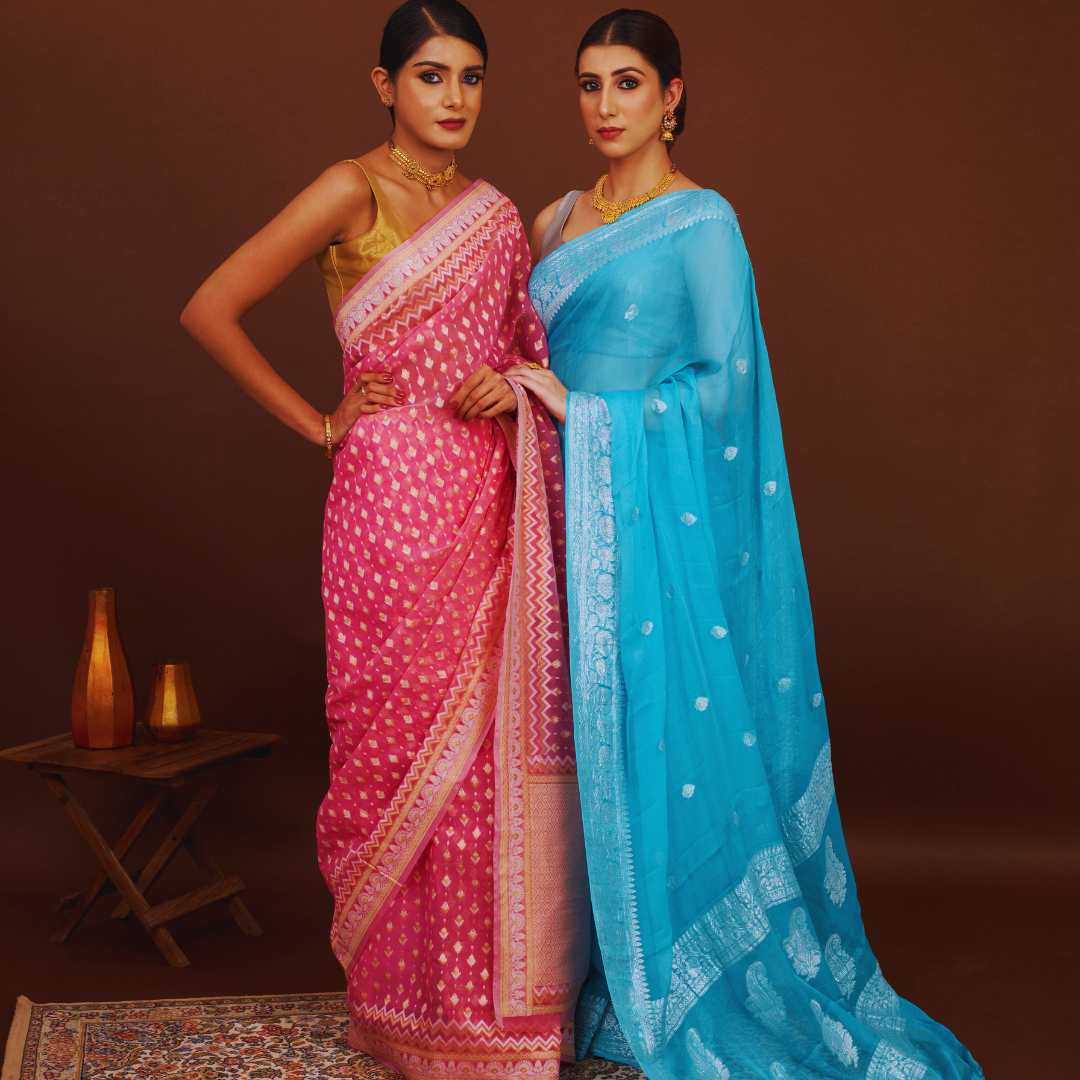
Fashion serves as a powerful tool for expressing identity across cultures, reflecting individual and collective values, beliefs, and histories. It communicates social roles, status, and affiliations without the use of words. By examining clothing choices, patterns, and styles, it becomes clear how deeply intertwined fashion is with cultural identity.
Different cultures use fashion to preserve heritage while adapting to global influences, creating unique blends that tell personal and communal stories. These expressions go beyond aesthetics to reveal deeper connections to tradition, environment, and societal change.
Understanding how fashion functions in this way offers insight into human diversity and shared experiences. It highlights the role clothing plays not only in appearance but also in signalling belonging and distinction within and between communities.
Fashion acts as a powerful medium that communicates individual and collective experiences. It links personal stories with broader cultural themes, reflecting deeply ingrained societal beliefs and shared community values.
Fashion serves as a visual language where clothing, colours, and accessories convey personal histories and cultural backgrounds. Traditional garments often embody stories passed down through generations, such as Indigenous beadwork or Japanese kimono patterns.
Individuals also blend contemporary styles with cultural elements to express unique identities. These choices communicate affiliations, beliefs, or even resistance to dominant cultural norms, making fashion a dynamic tool for cultural storytelling.
Clothing styles often mirror the prevailing ethical, religious, and social values of a culture. For example, modest dress codes in various societies represent respect and humility rooted in cultural or religious principles.
Fashion can also indicate social status, gender roles, and community priorities. These garments function as silent indicators that uphold or challenge societal structures, offering insight into cultural norms and values.
Groups use shared fashion elements to signal membership and solidarity. Uniforms, traditional costumes, or specific styles emphasise group identity and foster a sense of unity.
Through these styles, individuals visually affirm their ties to a particular culture or community. This collective expression strengthens cultural cohesion and preserves heritage amid global influences.
Key Fashion Functions in Cultural Identity:
|
Function |
Description |
Example |
|
Storytelling |
Communicates personal & cultural narratives |
African kente cloth patterns |
|
Societal Reflection |
Mirrors social values and norms |
Modest clothing in the Middle East |
|
Group Cohesion |
Symbols of belonging and unity |
Scottish tartan for clans |
Traditional garments serve as visible markers of cultural identity, often embodying history, values, and social roles within a community. These clothes preserve heritage by connecting present generations with their ancestral past through design, fabric, and symbolism.
The kimono is a timeless symbol of Japan’s cultural heritage. Worn by both men and women, its design varies by occasion, season, and status. The garment’s straight seams and wide sleeves reflect centuries-old tailoring techniques.
Colours and motifs used on kimonos carry specific meanings. For example, cranes symbolise longevity, while cherry blossoms represent the fleeting nature of beauty. The careful layering and tying of the obi sash also communicate social signals, such as marital status.
Kimonos remain central to ceremonies like weddings and tea rituals, preserving traditional aesthetics while adapting to modern times through fashion reinterpretations.
The Scottish kilt is a knee-length skirt made of tartan wool, historically associated with Scottish Highlands clans. Each tartan pattern denotes a particular clan or family lineage, deeply linking the wearer to their cultural roots.
Kilts played a significant role in Scottish social and military history, symbolising clan identity and pride. The garment’s pleats and weaving techniques reflect local craftsmanship passed down through generations.
Today, kilts are worn at formal events such as weddings, Highland games, and national celebrations, reinforcing Gaelic traditions and the wearer’s heritage.
Across the world, traditional attire expresses identity through distinct materials, colours, and construction. For example:
These garments share a key role in maintaining cultural continuity, educating younger generations about their heritage through everyday wear or ceremonial use.
Fashion constantly blends influences from different cultures, raising questions about respect, authenticity, and creativity. This mix shapes global trends but also sparks debate on the fine line between cultural appreciation and appropriation.
The fashion industry drives cultural fusion by incorporating diverse elements into mainstream designs. Brands often draw inspiration from traditional clothing, textiles, and motifs worldwide, introducing them to new markets.
For example, flapper dresses in the 1920s reflected Western modernity but also echoed global Art Deco trends. Today’s designers may integrate African prints or Asian embroidery into high-fashion collections, reflecting a globalised aesthetic.
This fusion affects fashion trends by broadening choices but can also lead to oversimplification or misrepresentation of cultural symbols. Industry stakeholders have greater power to shape how cultures are portrayed through fashion.
Cultural appreciation involves respecting and honouring the source culture, often collaborating with its people. It recognises the value and meaning behind cultural artefacts and practices.
In contrast, cultural appropriation happens when cultural elements are used without permission or understanding, often commodified or stereotyped. This can cause harm by erasing context and disrespecting the original culture.
Key factors to distinguish them include intent, context, and power dynamics. For instance, a designer working with artisans to authentically reflect their culture exemplifies appreciation, while borrowing sacred symbols purely for profit can be appropriation.
Fast fashion accelerates trend cycles, which can lead to superficial cultural fusion. It often replicates cultural designs cheaply and quickly, undermining the integrity and economic benefit for source communities.
Modern fashion embraces diversity but risks trivialising cultural meanings by favouring aesthetics over significance. This commodification can reduce rich traditions into mere fashion statements.
However, some fast fashion brands engage in responsible collaboration, highlighting cultural stories in their collections. The tension between sustainability, authenticity, and mass production remains a key challenge.
Fashion today acts as a platform for expressing complex cultural identities. It negotiates tradition and modernity, blending old narratives with new symbols to reflect changing social dynamics.
Contemporary fashion often draws directly from cultural narratives, embedding history and symbolism into clothing. Designers incorporate motifs, patterns, and techniques specific to their heritage, making garments carriers of personal and communal stories.
For example, African prints used by modern designers not only celebrate cultural pride but also comment on diasporic identity. These styles show how cultural narratives are preserved and transformed through fashion, connecting wearers to their origins while signalling a broader cultural conversation.
Fashion functions as a form of dialogue between cultures, creating spaces for exchange and mutual influence. It allows different identities to intersect and challenge stereotypes through visual language.
This is seen in urban streetwear that blends elements from various ethnic traditions or collaborations between designers from diverse backgrounds. Such interactions foster understanding and showcase hybrid identities, making fashion a dynamic arena for cultural conversation.
Traditional styles are frequently adapted to suit contemporary tastes and lifestyles while maintaining cultural significance. This adaptation includes changes in fabric, cut, and function without erasing original meanings.
For instance, the Indian sari has been reimagined with modern fabrics and alternative drapes, keeping cultural identity alive in global fashion scenes. These adaptations illustrate how tradition evolves, enabling cultural expression to thrive amid changing social and economic circumstances.