About
Lorem ipsum dolor sit amet, consectetur adipiscing elit, sed do eiusmod tempor incididunt ut labore et dolore magna aliqua.
About
Lorem ipsum dolor sit amet, consectetur adipiscing elit, sed do eiusmod tempor incididunt ut labore et dolore magna aliqua.

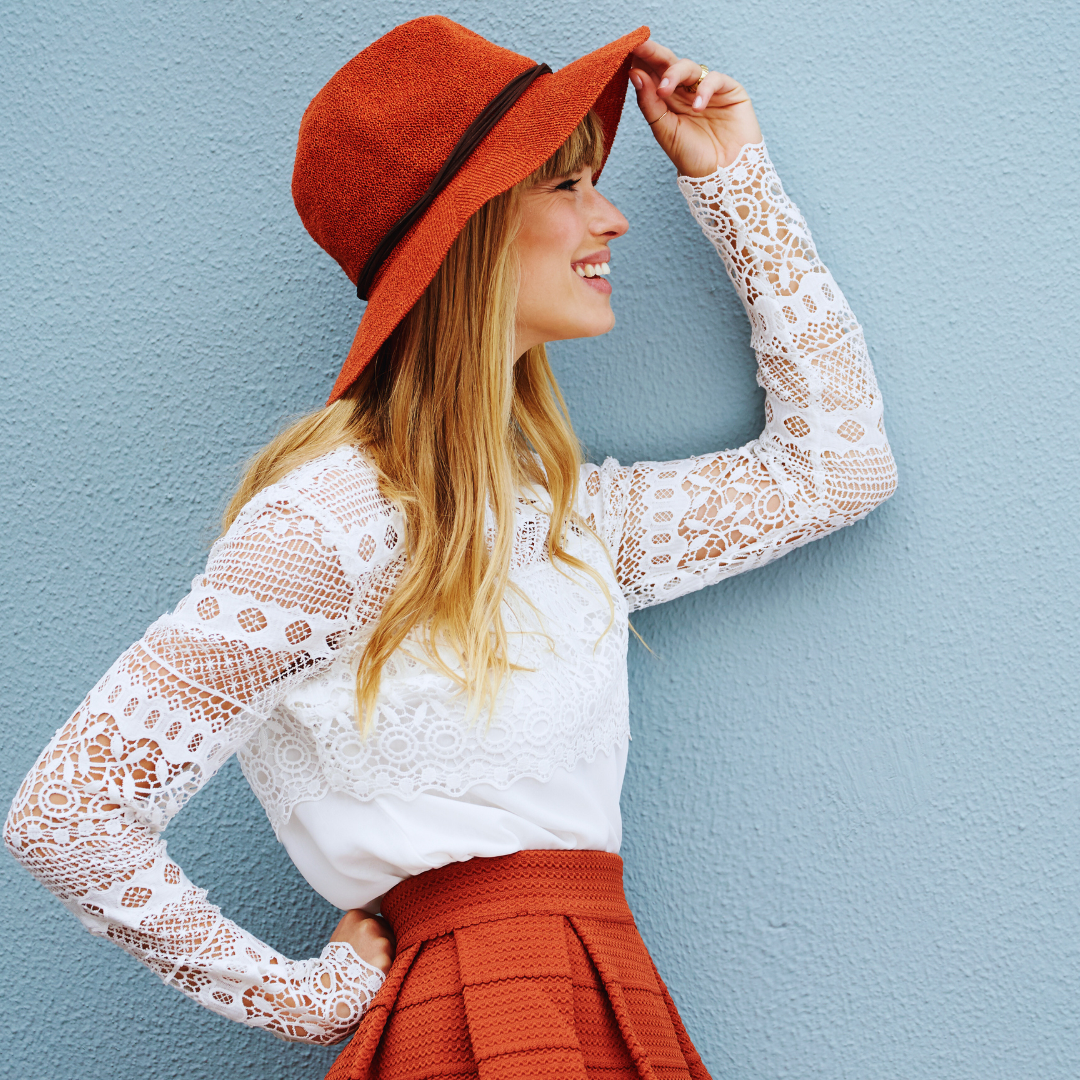
In a world that moves quickly, dressing with intention means choosing clothes that serve a purpose beyond fashion. It requires thoughtful consideration of comfort, function, and personal style. Dressing with intention simplifies decisions and promotes confidence by aligning choices with one’s lifestyle and values.
This approach helps cut through the pressure to follow every trend or make hurried choices. Instead, it encourages a focus on quality and relevance, making the dress code less about speed and more about meaning.
By dressing with intention, individuals can navigate their busy lives with outfits that fit their needs and express who they are. This method reduces stress and creates a sense of control in a fast-paced environment.
In today’s busy environment, clothing choices reflect more than just style; they show awareness of consumption habits and personal values. Choosing garments carefully helps navigate pressures from rapid trends and promotes mindful living.
Consumer culture emphasises rapid purchasing and disposal of clothing, which encourages constant turnover. Fast fashion brands target consumers with low prices and frequent new collections, creating pressure to buy quickly without considering quality.
This cycle contributes to significant waste and environmental damage. Mass production often overlooks ethical labour practices, meaning many garments are made under poor working conditions. Dressing intentionally interrupts this cycle by favouring durable items and thoughtful purchases that lessen environmental and social harm.
Fast fashion thrives on changing trends that prompt frequent wardrobe updates. Individuals who dress with intention resist this by prioritising timeless pieces over fleeting styles. This approach reduces impulse buying and the accumulation of unnecessary items.
They also focus on versatility and longevity. Choosing classic cuts and neutral colours allows garments to be worn in multiple settings, lessening the need to constantly replace clothes. This strategy leads to more sustainable consumption and a simplified wardrobe.
Dressing intentionally means reflecting personal ethics through clothing. It involves selecting brands or items that align with sustainability, fair labour, or local production. Consumers increasingly seek transparency in sourcing and manufacturing.
Being deliberate in fashion choices supports companies that respect environmental and social standards. This alignment reinforces identity and confidence, as one’s appearance matches deeply held beliefs rather than fleeting trends or external pressure.
Clothing choices reveal how individuals engage with their environment and themselves. By paying attention to these choices, one can foster a deliberate relationship with attire, balancing practicality and self-expression.
Building intentional wardrobe habits centres on selecting garments that serve specific purposes. Instead of impulse buying, individuals consider garment quality, versatility, and longevity.
Practising mindfulness means taking time to reflect before purchases, asking if the item fits existing styles or needs. This reduces waste and prevents clutter.
Organising wardrobe reviews regularly helps identify gaps and unused pieces, encouraging informed decisions. Intentional habits promote respect for resources and align clothing with daily life demands.
Clothing often holds emotional significance, influencing how people feel and express themselves. Recognising these feelings helps build a mindful connection to what one wears.
A person might choose a particular colour for confidence or a fabric for comfort. These choices become tools for managing mood and identity.
Being aware of emotional responses prevents dressing from becoming automatic. Instead, clothing choices reflect current mental states or aspirations, reinforcing self-awareness.
Navigating trends requires prioritising personal style over mass appeal. Embracing individuality means selecting elements that resonate personally, rather than following all popular fashions.
This approach supports sustainable dressing by avoiding fleeting trends that quickly become obsolete. They cultivate a unique style vocabulary, which can include classic or unconventional pieces.
Mindfulness in this context involves discerning which trends align with personal values and which disrupt authentic expression. It allows people to stand out thoughtfully while remaining grounded.
A thoughtful approach to dressing means prioritising pieces that last and have been made with care. It involves shifting away from fast fashion habits to make deliberate buying decisions and supporting brands aligned with responsible practices.
He or she should focus on investing in well-constructed garments that endure frequent wear and washing. Fabrics like organic cotton, wool, or linen tend to be more durable than synthetic blends used in fast fashion.
Key indicators of quality include strong stitching, secure buttons, and reinforced seams. Though the initial cost may be higher, fewer replacements reduce overall consumption and waste. Quality pieces create a versatile wardrobe, enabling multiple outfit combinations without excess.
Buying second-hand helps reduce the demand for new production and lessens environmental impact. It also offers unique styles not found in contemporary fast fashion collections.
Shoppers should inspect items for wear and damage, considering minor repairs to extend lifespan. Markets, charity shops, and online platforms provide diverse options at various price points. This practice fosters mindfulness by valuing what already exists instead of continually acquiring new goods.
Consumers can research brands using transparent supply chains and ethical labour practices. Certifications such as Fair Trade or GOTS (Global Organic Textile Standard) signal responsible production.
Mindful brands often emphasise reducing waste through limited runs or upcycling materials. Engaging with these companies encourages industry shifts away from mass-produced, disposable clothing. It also aligns dressing habits with personal values beyond aesthetics.