About
Lorem ipsum dolor sit amet, consectetur adipiscing elit, sed do eiusmod tempor incididunt ut labore et dolore magna aliqua.
About
Lorem ipsum dolor sit amet, consectetur adipiscing elit, sed do eiusmod tempor incididunt ut labore et dolore magna aliqua.

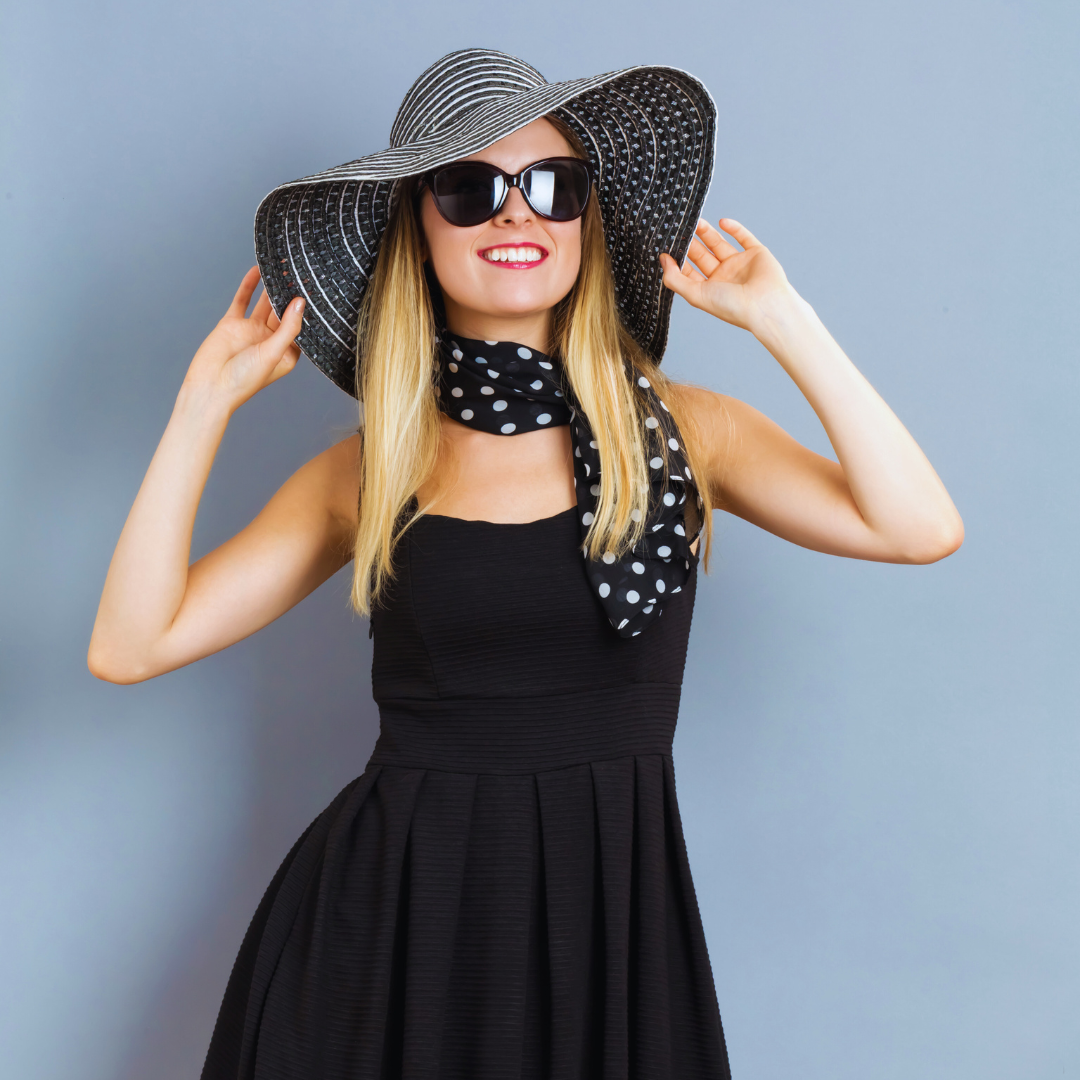
Outfits can have a direct impact on a person’s mood throughout the day. Choosing clothes that feel comfortable and reflect personal style helps increase confidence and promote positive emotions. This link between clothing and mood is supported by research showing how what people wear can influence their mindset and behaviour.
People often overlook the psychological effect of dressing well or wearing colours and styles that uplift them. Even small changes in clothing can shift how someone approaches challenges or social interactions. Understanding this connection empowers individuals to use fashion intentionally to boost daily joy.
Clothing influences mood through complex psychological and social processes. It impacts how individuals perceive themselves and how others interpret their emotions and intentions. This section outlines key mechanisms behind these effects.
Enclothed cognition describes how wearing specific garments affects thought patterns and emotional states. It combines the symbolic meaning of clothes with the physical sensation of wearing them.
For example, a study showed that participants wearing lab coats performed better on attention tasks. The improvement was linked not only to the coat’s symbolism (carefulness, professionalism) but also to the tactile experience of wearing it.
This concept emphasises that clothing can actively shape self-perception and cognitive performance. By consciously choosing outfits, individuals may enhance focus, confidence, or calmness.
Clothing shapes emotions by activating identity and mood associations. Bright colours often evoke energy and positivity, while muted tones may induce calm or sombreness.
The fit and comfort of clothes can also affect self-esteem. Tight or ill-fitting garments might lead to discomfort and negative self-image, whereas comfortable, well-fitted attire can improve confidence.
People often select outfits to express or regulate their mood. For example, someone feeling anxious may choose soft fabrics and relaxed styles to increase comfort and security.
Fashion operates as a non-verbal language that conveys information about status, personality, and mood. Outfits send signals before any words are spoken, influencing social interactions.
Details like colour choice, style, and accessories can communicate confidence, creativity, or approachability. For instance, wearing bold patterns may project extroversion, while minimalist styles can suggest professionalism.
Understanding these cues helps individuals manage impressions and social dynamics. It highlights the role of clothing beyond personal effects, as a tool in interpersonal communication.
Clothing impacts more than appearance; it shapes daily experiences and emotional states. Choices in fashion can influence feelings of confidence, uplift mood, and contribute to overall mental well-being through deliberate self-expression.
The way someone dresses directly affects their confidence and self-worth. Wearing outfits that align with personal taste or suit the occasion can improve posture and encourage positive social interactions. When a person feels good in their clothes, it often translates into increased assertiveness and self-respect.
Style also serves as a form of self-care. Selecting clothes thoughtfully can reinforce a positive self-image and help manage stress by providing a sense of control over how others perceive them. This connection between fashion and self-esteem is supported by studies linking appearance satisfaction to emotional well-being.
Outfits influence mental health by shaping mood and routine. Casual, comfortable clothes can promote relaxation and mental calmness, while structured, polished attire may foster motivation and focus. Dressing intentionally for different activities supports mental clarity and emotional regulation.
Fashion also acts as a coping mechanism for some. Choosing preferred colours, fabrics, or styles offers familiarity and comfort that helps reduce anxiety. People adopting mindful dressing habits may report better mood stability, which benefits their broader emotional well-being.
Certain colours and textures have measurable effects on mood. For example, bright colours like yellow and orange are associated with energy and happiness, while softer pastels can induce calmness. Textures such as cotton and silk contribute to physical comfort, which supports mental ease.
Incorporating specific colours and fabrics into daily outfits can be a strategic way to influence emotional states. Individuals might use bold colours on challenging days or cosy textures when needing extra comfort, making fashion a practical tool for managing emotional well-being.
Clothing choices often act as a direct reflection of an individual’s personality and mood. How people perceive themselves and how others interpret these signals shape both their identity and social interactions.
Personal style serves as a visual language expressing unique traits and values. Through the selection of colours, patterns, and fabrics, individuals communicate their preferences and emotions without speaking.
Consistency in wardrobe choices helps reinforce self-perception and confidence. For example, someone who prefers bold colours may project energy and assertiveness, while neutral tones can signal calmness or professionalism.
Clothing thus becomes an external extension of inner identity, allowing for daily affirmation of self.
Choosing outfits can be a deliberate act that sets the tone for the day. Many people use dressing as a practical ritual to prepare mentally and emotionally for upcoming tasks.
The intention behind outfit selection often affects mood directly. Wearing something comfortable yet stylish can increase focus and reduce stress. Conversely, dressing sloppily may lead to feeling less motivated.
Intentional dressing links clothing to personal goals and well-being, creating a routine that supports emotional stability and productivity.
Fashion plays a crucial role in how others interpret one’s identity. Outfits act as social signals about professionalism, creativity, or affiliation to particular groups.
People adjust clothing based on social context to align their image with expectations. For instance, formal attire at work signals competence, while casual wear among friends emphasises approachability.
Understanding these social cues helps individuals navigate interactions more effectively and can influence others’ reactions and opportunities based on appearance.
Choosing clothes with intent can boost confidence and improve emotional well-being. Thoughtful wardrobe decisions support mental well-being by aligning outfits with mood needs and social contexts.
Building a wardrobe that promotes joy begins with selecting colours and fabrics linked to positive feelings. Soft, breathable materials like cotton or linen encourage comfort, aiding self-care throughout the day.
Bright colours such as yellow or coral are known to elevate mood, while blues and greens provide calmness. Including a mix ensures flexibility for varying emotional needs.
Organising a capsule wardrobe with versatile essentials allows for quick outfit choices, reducing decision fatigue. Prioritising pieces that fit well and reflect personal style increases confidence and satisfaction with daily looks.
Adjusting outfits to suit current emotions supports mental well-being and emotional resilience. For example, choosing a bold accessory or vibrant top can lift spirits on low-energy days.
On stressful occasions, softer textures and looser fits promote relaxation and reduce discomfort. The tactile experience of clothing impacts mood and stress levels.
Encouraging daily reflection on how clothes affect feelings enables better tailoring. This practice helps identify which outfits energise or soothe, assisting in future selections aligned with mood goals.
Helping others dress for joy involves recognising their emotional needs and preferences. Offering clothes that boost confidence or comfort supports their mental well-being and self-care routines.
Gift ideas or shared shopping experiences focused on uplifting styles can foster connection and positive feelings. Encouraging friends or family to explore colours and fits that make them feel good promotes emotional well-being.
Respecting individual taste remains key; genuine support comes from enhancing choices rather than imposing trends. Such positive social interaction through fashion strengthens relationships and collective happiness.