About
Lorem ipsum dolor sit amet, consectetur adipiscing elit, sed do eiusmod tempor incididunt ut labore et dolore magna aliqua.
About
Lorem ipsum dolor sit amet, consectetur adipiscing elit, sed do eiusmod tempor incididunt ut labore et dolore magna aliqua.

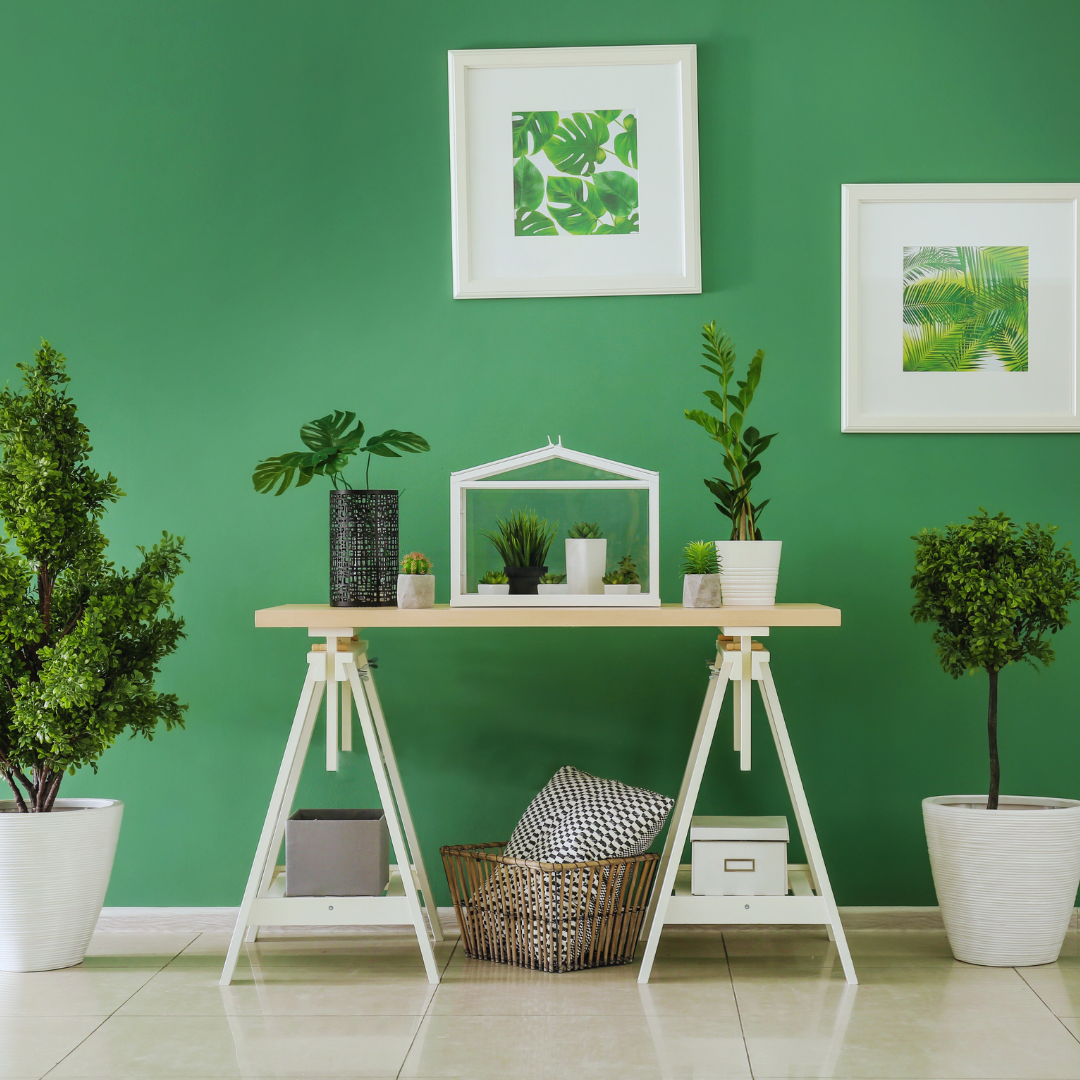
Creating flow and energy in a living space starts with purposeful arrangement and mindful choice of elements. Optimising natural light, reducing clutter, and using furniture placement to encourage movement are key ways to enhance a room’s energy. These steps promote a balanced environment that feels both welcoming and functional.
In addition to physical layout, the selection of colours and textures influences the atmosphere. Soft, natural tones combined with tactile materials can create harmony and comfort. Thoughtful lighting and personalised decor also help maintain a positive, energised flow throughout the space.
Creating a balanced living space requires attention to how energy moves and interacts within the environment. This involves understanding invisible forces and applying specific design rules that influence well-being and comfort.
Chi, often described as life force or energy, is central to how energy flows in a space. It moves through rooms and around objects, affecting the room’s atmosphere and the occupants’ mood.
When chi flows smoothly, it brings calm and vitality. Blockages, such as clutter or poor layout, disrupt this flow, causing stagnation or discomfort. Arranging furniture to allow open pathways supports continuous movement of chi. Natural elements like plants and water features can enhance this energy.
Awareness of chi helps in making mindful choices about space arrangement. A balanced flow avoids both too swift and too slow energy, finding a middle ground that supports relaxation and alertness.
Feng shui is an ancient Chinese practice focused on harmonising environments through energy flow. It uses specific principles to guide the placement of objects, doors, and furniture.
Key feng shui principles include the Bagua map, which divides space into areas related to life aspects like health and wealth. Positioning important elements in these zones strengthens their influence.
The five elements—wood, fire, earth, metal, and water—are integrated to maintain balance. Using these elements thoughtfully maintains equilibrium in colours, shapes, and materials.
Feng shui also emphasises natural light, fresh air, and clutter-free spaces. Its systematic approach improves the overall energy quality, promoting tranquillity and mindfulness in the home.
Positive energy within a living space can significantly affect physical and mental health. Environments with balanced energy flow tend to reduce stress and encourage relaxation.
Spaces filled with positive energy support mindfulness, helping individuals stay present and calm. Good chi fosters mental clarity, better sleep, and a general sense of tranquillity.
Regularly clearing clutter and introducing natural light helps sustain this positive environment. Simple practices like opening windows and using calming colours contribute to enhancing well-being.
A home aligned with positive energy can improve daily moods and promote harmony in relationships, demonstrating the practical benefits of managing energy flow.
Creating a harmonious environment starts with thoughtful furniture placement to support smooth energy flow. Decluttering and smart storage solutions sustain that balance, while positioning key items strategically enhances the living room layout’s overall impact.
Furniture arrangement should promote clear pathways and avoid blocking natural movement. Chairs and sofas are best positioned to allow easy access and contribute to an open flow, preventing stagnant energy pockets.
In living rooms, avoid aligning furniture directly with doorways; instead, place pieces slightly off-centre. Rounded edges on tables and avoiding sharp corners can reduce harsh energy, supporting calmness.
Arranging furniture to face entrances helps maintain a welcoming atmosphere and encourages positive chi. Limit the number of large, bulky items that crowd the space, as this restricts energy and reduces comfort.
Clutter disrupts energy flow and creates visual chaos. Removing unnecessary items clears the space for fresh energy. Regularly sorting possessions into “keep,” “store,” or “remove” categories helps maintain order.
Use practical storage solutions such as concealed cabinets or multipurpose furniture to keep everyday items tidy. Label storage boxes for easy identification, reducing stress when retrieving things.
Keep surfaces, especially those near entrances, clear of excess objects. This prevents energy blockages and allows natural light and air to circulate freely throughout the living space.
The commanding position places key furniture, like sofas or beds, facing the main door while maintaining a solid wall behind. This layout provides a sense of security and control, essential for positive energy.
Avoid having backs to the doorway or windows, as this may create discomfort or uncertainty. Positioning seating with a clear view of entrances improves awareness and encourages relaxation.
In larger living rooms, identify the primary seating arrangement and ensure it occupies the commanding position to anchor the space. This simple adjustment can significantly enhance the room’s harmonious energy.
Creating harmony in a living space involves careful attention to energy flow and the balance of natural elements. Integrating materials and design principles can strengthen key areas of life such as health, wealth, and creativity.
The five elements—wood, fire, earth, metal, and water—form the foundation of balancing energy. Each element corresponds to specific life areas. For example, water relates to career and flow, while wood connects with growth and creativity.
To balance a room, include objects or colours that represent these elements in the appropriate areas. A water feature or a dark blue tone can enhance the career zone, while green plants and wooden furniture boost creativity and family energy.
Ensure no one element dominates, as imbalance can disrupt flow. Rotate or refresh elements periodically to maintain harmony.
Natural materials like wood, stone, cotton, and bamboo contribute to grounding energy. These materials bring texture and warmth, encouraging a calming atmosphere.
Plants improve air quality and inject vital energy linked to health and vitality. Varieties such as snake plants and peace lilies are low-maintenance options that support well-being.
A mix of rough and smooth natural elements can balance sensory stimulation. Position plants where sunlight supports growth, but avoid cluttering pathways that block energy flow.
The Bagua map divides a space into nine areas, each representing different life aspects: wealth, fame, love, family, health, children, knowledge, career, and helpful people.
Applying the Bagua involves aligning your space to these sections and enhancing them with relevant elements. For the wealth area, use symbols of abundance like coins or purple decorations. The health area benefits from earth tones and ceramics.
Mapping the home or room carefully allows targeted improvements. This method helps direct focus on specific life goals through spatial arrangement and décor.
A well-designed living space balances practical elements like air quality and light with psychological influences such as colour. Attention to these factors helps foster comfort and energy flow, making the environment both supportive and welcoming.
Colour choices directly affect mood and energy in a room. Soft blues and greens promote calm and balance, suitable for relaxation areas. Vibrant shades like orange or red can increase activity and warmth, but should be used sparingly to avoid overstimulation.
Neutral tones such as beige, grey, or off-white offer versatility and encourage a peaceful backdrop without distracting the senses. According to feng shui principles, harmonising colours with natural elements can help maintain positive energy flow and emotional stability.
Using accent colours selectively—through cushions, artwork, or rugs—adds personality while maintaining overall harmony. It is important to consider the natural light in the space, as it impacts colour perception throughout the day.
Maximising natural light supports well-being by regulating circadian rhythms and boosting mood. Positioning furniture near windows optimises daylight exposure. Sheer curtains or blinds provide light control without blocking sunlight.
Opening windows regularly allows fresh air to circulate, which can reduce indoor pollutants and create a connection with the outdoors. Cross-ventilation is particularly effective in moving stale air out and introducing cleaner air in.
In terms of feng shui, natural light and air movement are essential for generating positive chi. It is advisable to avoid blocking windows with heavy furniture or dark drapes to keep the space feeling open and airy.
Clean air is crucial for physical health and mental alertness. Using indoor plants like spider plants or peace lilies can improve air quality by filtering toxins naturally. Additionally, air purifiers equipped with HEPA filters help remove allergens and dust.
Reducing sources of indoor pollution—such as harsh cleaning chemicals or synthetic materials—also supports better air quality. Regular maintenance of HVAC systems ensures efficient operation and cleaner airflow.
Humidity levels should be kept moderate, ideally between 30% and 50%, to prevent mould growth and pollen accumulation. Well-ventilated rooms with balanced humidity contribute to a more comfortable and healthy living environment.