About
Lorem ipsum dolor sit amet, consectetur adipiscing elit, sed do eiusmod tempor incididunt ut labore et dolore magna aliqua.
About
Lorem ipsum dolor sit amet, consectetur adipiscing elit, sed do eiusmod tempor incididunt ut labore et dolore magna aliqua.

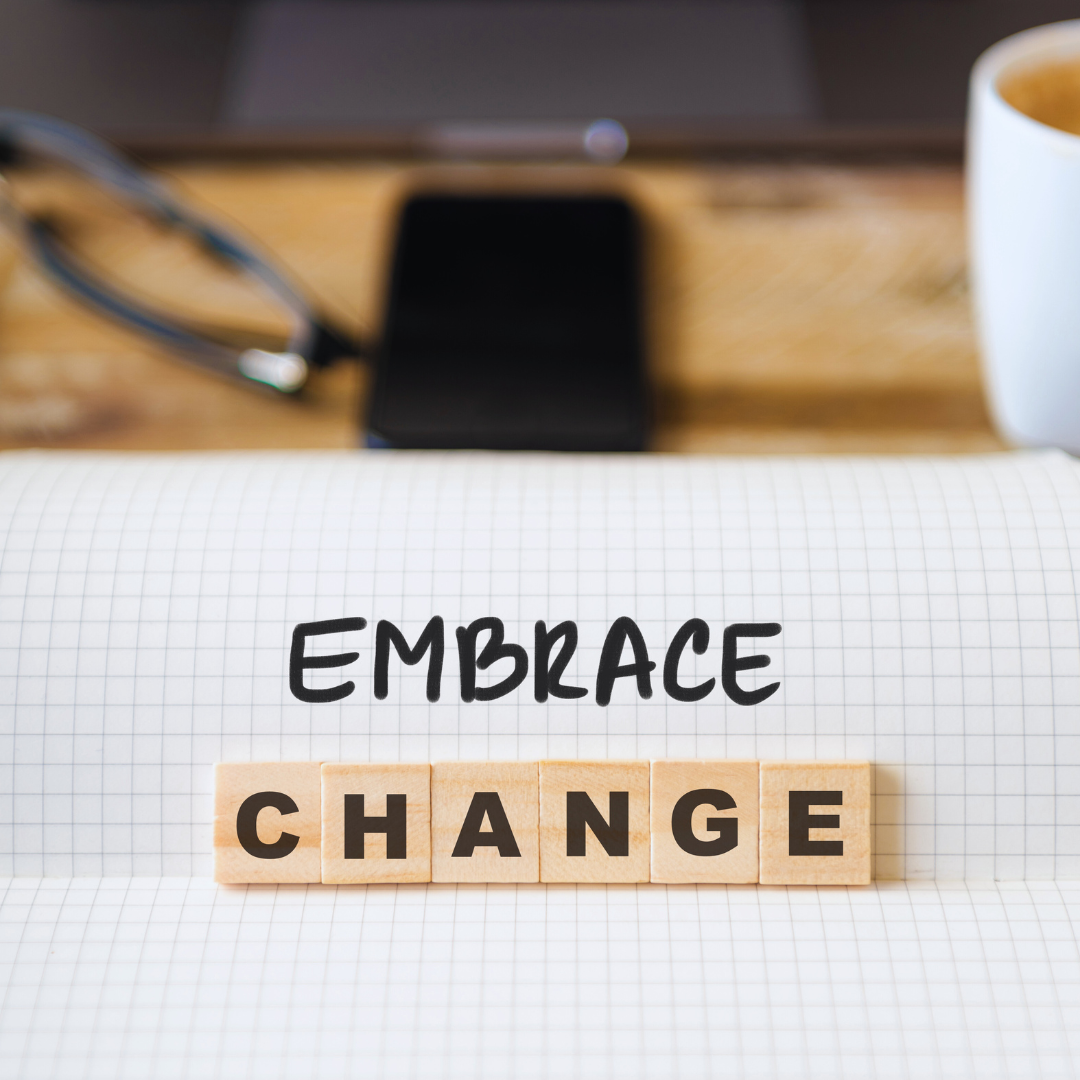
Change is an inevitable part of life that shapes a person’s growth and development. Embracing change means recognising it as a necessary step in personal evolution rather than resisting it. Accepting change allows individuals to adapt, learn, and improve continuously.
Many people struggle with change because it disrupts comfort and routine. However, those who view change as an opportunity rather than a threat are more likely to experience meaningful progress. This mindset helps cultivate resilience and flexibility in facing new challenges.
Understanding that personal evolution depends on embracing change can shift one’s perspective. It encourages taking proactive steps towards self-improvement, even when the path ahead seems uncertain.
Change often acts as a trigger for growth, pushing individuals beyond their comfort zones. It challenges existing habits and beliefs, creating space for new perspectives and skills to develop.
Change is inherent to life and rarely static; it can be gradual or sudden. Recognising change as a constant allows individuals to approach personal growth proactively rather than reactively.
Personal growth depends on how one responds to change. Viewing change as an opportunity rather than a threat encourages adapting and learning. This mindset facilitates continuous development and resilience.
Key aspects of the nature of change include:
Understanding these can foster acceptance and enable progress in personal evolution.
Uncertainty often accompanies change, creating a sense of instability. However, embracing uncertainty is crucial for meaningful personal development.
When individuals accept not knowing all outcomes, they open themselves to new experiences. This acceptance reduces fear and encourages experimentation, enhancing adaptability.
Managing uncertainty involves:
Facing the unknown with curiosity rather than resistance makes transformation achievable.
Transformation refers to a profound shift in mindset, behaviour, or identity triggered by change. It is a core element of personal development, marking significant evolution.
Transformative experiences often redefine values and goals. They push individuals to shed limiting beliefs and adopt new ways of thinking.
Transformation is supported by:
|
Element |
Description |
|
Self-reflection |
Recognising patterns and areas for change |
|
Intentional action |
Taking deliberate steps towards growth |
|
Support systems |
Engaging with mentors or communities |
These components help individuals navigate change toward lasting personal evolution.
Embracing change allows individuals to access new experiences and develop crucial skills. It encourages growth by challenging comfort zones, leading to deeper awareness of one’s capabilities and limitations.
When someone accepts change, they open doors to unexpected opportunities. This can be a new job, a different social circle, or a fresh approach to solving problems. By stepping away from the familiar, it becomes easier to identify and pursue options that may have been previously overlooked.
Change often reveals latent talents or interests, providing a clearer sense of purpose. It sharpens decision-making by forcing individuals to evaluate what truly matters. The willingness to explore the unknown is a direct pathway to personal and professional expansion.
Change demands higher emotional awareness. Individuals learn to recognise and manage their feelings under stress or uncertainty. This process fosters empathy, as it often involves understanding others’ reactions to change.
With practice, emotional intelligence increases, helping people to communicate more effectively and resolve conflicts with less friction. Embracing change promotes adaptability, which is a key element of emotional growth. It strengthens self-awareness, as recognising one’s emotional triggers leads to better control and response.
Facing change challenges an individual’s resilience — the ability to recover from setbacks. Each experience of overcoming uncertainty builds inner strength, making future difficulties less daunting.
This repeated exposure encourages a mindset that views obstacles as manageable rather than threatening. By continuously adapting, people develop confidence in their capacity to handle adversity. Resilience gained through embracing change becomes a stabilising force in personal evolution.
Being adaptable and flexible requires a clear understanding of internal barriers and a conscious effort to shift perspective. It involves recognising unhelpful patterns and creating mental space for new possibilities and growth.
Limiting beliefs often restrict a person’s ability to adapt. These beliefs, such as “I must always be in control” or “Change is risky,” create resistance to new experiences. Identifying these thoughts is the first step to replacing them.
She or he can challenge these beliefs by questioning their validity and seeking evidence against them. This process helps dismantle mental blocks and creates room for more constructive thinking.
Letting go involves accepting uncertainty as a natural part of progress. Holding on too tightly to familiar ideas prevents development. Gradual exposure to change helps strengthen resilience and openness.
An adaptable mindset prioritises learning over comfort. It thrives on flexibility, viewing challenges as opportunities to gain new strengths rather than threats to stability.
Practising adaptability means being willing to adjust plans and expectations quickly. It includes staying calm under pressure and learning to pivot without losing focus.
To build this mindset, one should engage in varied experiences and reflect on the results. Feedback and self-awareness are essential tools for honing flexibility. These behaviours increase confidence in facing future changes effectively.
Navigating change requires deliberate approaches that promote clarity and control. Developing specific skills can help reduce stress while fostering personal growth during periods of uncertainty.
Mindfulness techniques encourage present-moment awareness, which helps individuals reduce anxiety linked to change. Practices such as focused breathing or body scans can ground attention and promote calm.
Regular daily mindfulness exercises improve emotional regulation. This allows a person to observe thoughts and feelings without immediate reaction, supporting better decision-making during transitions.
Keeping a mindfulness journal can also help track emotional patterns and triggers. This record aids in recognising stress points and adopting proactive coping mechanisms.
Setting clear, achievable goals creates direction amidst change. Breaking down objectives into small steps makes progress measurable and less overwhelming.
Using tools like SMART goals (Specific, Measurable, Achievable, Relevant, Time-bound) provides structure. For example:
Taking immediate, consistent action on these goals builds momentum. Regularly reviewing and adjusting plans prevents stagnation and increases adaptability to evolving circumstances.