About
Lorem ipsum dolor sit amet, consectetur adipiscing elit, sed do eiusmod tempor incididunt ut labore et dolore magna aliqua.
About
Lorem ipsum dolor sit amet, consectetur adipiscing elit, sed do eiusmod tempor incididunt ut labore et dolore magna aliqua.

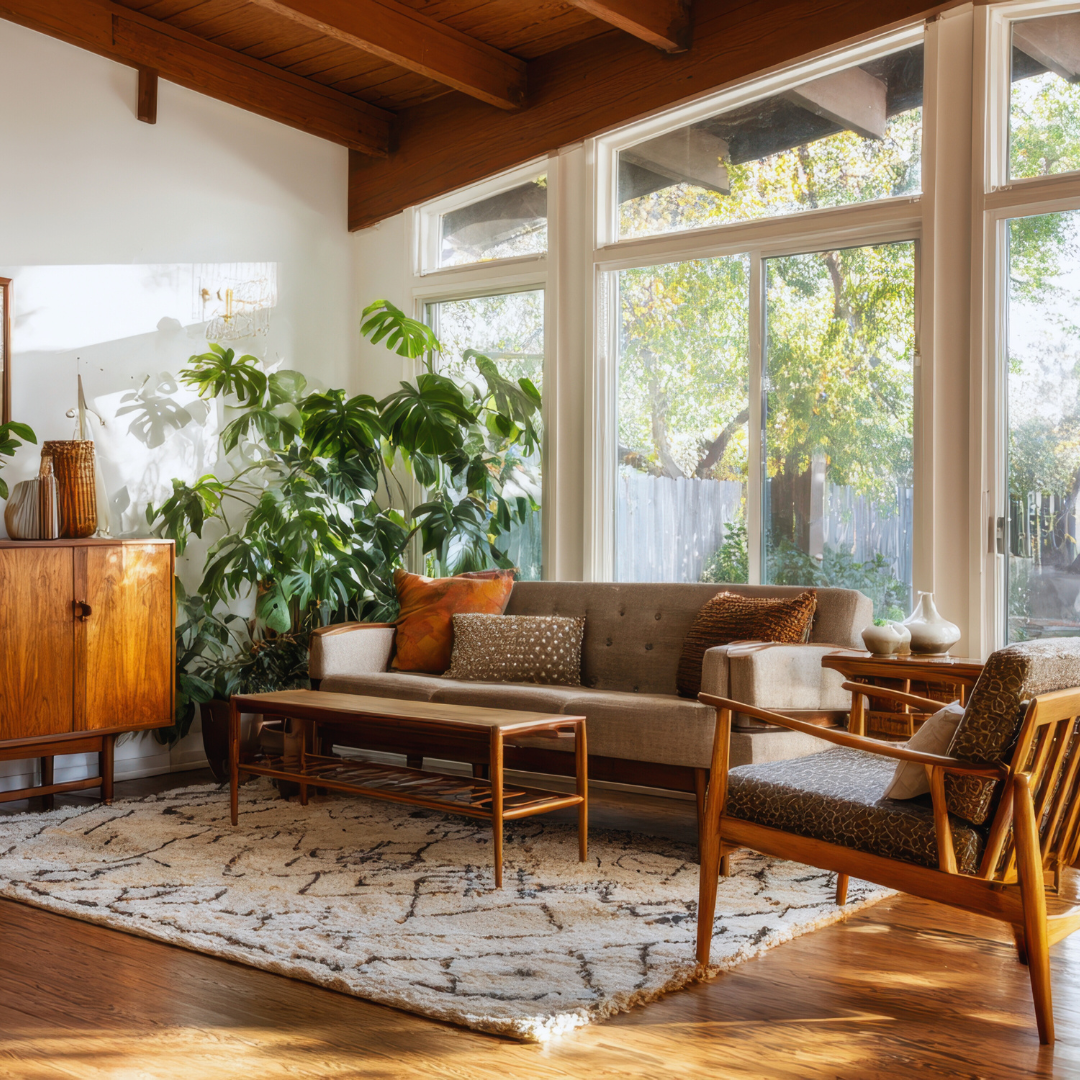
Creating a home that truly reflects personal values means aligning the environment with what matters most to an individual or family. A space designed around core beliefs and priorities offers comfort, purpose, and a sense of authenticity. This connection turns a house into a meaningful sanctuary rather than just a physical structure.
Understanding which values are most important guides decisions on style, colour, materials, and even the layout. Whether sustainability, simplicity, community, or creativity matters most, these principles should shape every choice. A personalised home becomes a constant reminder of what defines and motivates its inhabitants.
Creating a home that reflects personal values begins with understanding what truly matters to the individual. Clarifying these principles allows for deliberate choices in design and function, ensuring the space aligns with personal beliefs and lifestyle needs.
The first step is to list the values that define the occupant’s priorities. Common examples include sustainability, comfort, family focus, creativity, or simplicity. They should rank these values to determine which will guide major decisions.
Reflecting on past experiences or what brings joy and fulfilment can help uncover essential values. Asking questions like “What makes me feel most at home?” or “What environment supports my wellbeing?” gives clarity.
Writing these down creates a clear foundation. The list should be specific, avoiding vague terms, to make it easier to apply in design decisions.
Once core values are clear, the next task is applying them to the home’s physical aspects. For instance, sustainability as a core value might lead to choosing eco-friendly materials, energy-efficient appliances, or ample natural light.
Values like community or family could influence an open-plan living area that encourages interaction. A value of creativity might be expressed in flexible spaces or unique décor that inspires new ideas.
Creating a table can help match values with design elements:
|
Core Value |
Design Element |
Example |
|
Sustainability |
Eco materials, energy efficiency |
Bamboo flooring, solar panels |
|
Family |
Open living, durable furniture |
Large kitchen island, sturdy sofas |
|
Simplicity |
Minimalism, clutter-free spaces |
Neutral colours, built-in storage |
Turning values into actionable home goals focuses the design process. Goals should be measurable, such as “reduce energy use by 30%” or “create a dedicated workspace for creativity.”
Setting timelines and budgets linked to these goals ensures discipline during renovations or new builds. This prevents compromising values due to cost or convenience.
Clear goals also aid communication with architects, designers, or contractors, guiding their decisions to align with the client’s core values. Regular review of these goals helps maintain focus throughout the project.
A living space becomes a true reflection of values when every element serves a purpose and meaning. It involves mindful organisation, intentional design, and thoughtful choices that support daily living and personal priorities.
Decluttering clears physical and mental space, making room for what truly matters. Removing unnecessary items helps focus on belongings that align with one’s values, whether sustainability, simplicity, or functionality.
A methodical approach, such as sorting items into “keep,” “donate,” and “discard,” ensures decisions are intentional. This process encourages reflection on why each item deserves a place and supports a lifestyle free from excess.
Decluttering also improves flow within the home. It reduces obstacles in key areas, enabling smoother movement and easier access, which enhances daily routines and overall well-being.
Minimalism is about prioritising quality over quantity. It encourages selecting furniture and décor that serve multiple purposes and have lasting value.
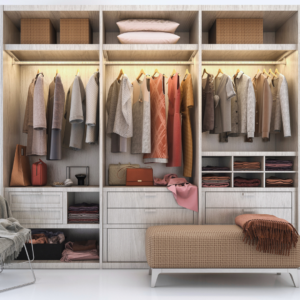
Integrating minimalism into daily routines means choosing items that facilitate efficiency and calm. For example, a morning routine might revolve around an uncluttered dressing area with only essential clothing and accessories visible.
Clear surfaces and simple storage solutions support focus and reduce distractions. This approach helps individuals stay grounded in values like intentionality and sustainability through mindful consumption and maintenance.
Heirlooms carry stories and legacy; displaying them can root a home firmly in personal or family history. Positioning these items in prominent yet harmonious spots respects their significance and adds character to the space.
Meaningful objects, such as handcrafted décor or travel souvenirs, also highlight personal experiences and beliefs. These should be arranged deliberately to avoid clutter and maintain balance within rooms.
Combining heirlooms with minimalist design can be effective. It keeps the home feeling fresh while honouring the past, creating a contrast between simplicity and meaningful detail.
Dividing living areas into distinct zones enhances both usability and comfort. Each zone is tailored to specific activities, such as work, relaxation, or dining, reflecting lifestyle priorities and values.
Clear separation prevents overlap, reducing stress and making the home easier to navigate. For instance, a reading nook separate from a family entertainment area respects different needs in the same space.
Furniture placement and storage solutions influence flow; pathways should be unobstructed and logical. Structured zones improve daily routines by streamlining tasks and supporting purposeful living without unnecessary distractions.
Creating a home aligned with personal values involves deliberate decisions about materials, natural elements, and atmosphere. Choosing sustainable products, maximising daylight, and using inviting lighting can bring these principles to life effectively.
Selecting furniture and décor made from sustainably sourced wood reduces environmental impact. Certified wood, reclaimed materials, or bamboo offer durable and eco-friendly options. Avoiding synthetic materials and plastics supports a healthier indoor environment.
Natural fabrics like cotton, linen, or wool complement wooden furniture and promote sustainability. Prioritising energy-efficient appliances and low-VOC paints helps lower a home’s carbon footprint. These choices reflect respect for environmental conservation and resource management.
Integrating indoor plants improves air quality and adds a calming presence. Species such as snake plants, pothos, and spider plants thrive with minimal care and brighten spaces naturally.
Maximising natural light through large windows, skylights, or lighter paint colours reduces reliance on artificial lighting. Positioning seating near windows fosters well-being and connection with the outside world. This design supports a sustainable lifestyle by lowering electricity use.
Using warm lighting creates a comfortable, welcoming environment suited to relaxation. Bulbs with colour temperatures around 2700K mimic natural light during evenings. Layering lighting with lamps, string lights, or dimmers allows for control over mood and function.
Incorporating varied textures through cushions, rugs, and throws adds depth without excess. Natural fibres and tactile materials enhance a sense of warmth and authenticity. This balance in design aligns with values centred on comfort and mindful living.
A living space should reflect who a person is at any given time, embracing shifts in lifestyle and values without losing meaning. This requires flexibility in home design and a willingness to reassess what is important.
As priorities change, so should the functions and appearance of a home. For example, a room once dedicated to hobbies may be repurposed for work or relaxation as needs evolve. Furniture can be swapped for items that support new routines, such as ergonomic desks or additional storage.
Colour schemes and decorations also play a key role. Shifting from vibrant to muted tones might better match a preference for calmness. Adjustments like these keep the home in tune with daily life rather than feeling static or outdated.
Removing items that no longer add value to the living space can refresh both function and atmosphere. This includes furniture, decorations, or outdated technology that creates clutter or distraction.
A practical approach is to identify what contributes to comfort or purpose and eliminate the rest. This process can make the home feel lighter and more aligned with current values, increasing satisfaction and usability.
Homes should prioritise authentic expression instead of trying to meet external ideals of style. It is more important that spaces reflect genuine tastes and needs rather than curated designs intended to impress others.
Imperfections or unique elements often enhance a home’s character. Prioritising authenticity encourages confidence in design choices and enables a living space to be a true reflection of the occupant’s personality and values.