About
Lorem ipsum dolor sit amet, consectetur adipiscing elit, sed do eiusmod tempor incididunt ut labore et dolore magna aliqua.
About
Lorem ipsum dolor sit amet, consectetur adipiscing elit, sed do eiusmod tempor incididunt ut labore et dolore magna aliqua.

Building a home that adapts to changing needs is essential in today’s fast-paced world. People’s lives evolve, whether through growing families, shifting work patterns, or new hobbies. A home designed with flexibility in mind can support these changes without requiring costly renovations or moves.
Such homes incorporate adaptable layouts, multi-functional spaces, and smart technology to respond to different stages of life. This approach saves time, money, and stress as occupants transition through various life events.
Understanding how to create a living space that grows alongside its owners helps make a house truly feel like a lasting home. This post explores practical strategies for achieving a home that evolves with its inhabitant’s journey.
A home that evolves with your journey adjusts to changing needs over time without requiring a full rebuild. It provides flexibility in layout and function, accommodating life stages or unexpected shifts in lifestyle.
Adaptable living spaces allow occupants to modify rooms for different purposes, such as turning a guest bedroom into a home office or expanding living areas to include an elderly relative. This flexibility reduces the need for expensive renovations.
Features like movable walls, modular furniture, and multi-use rooms play key roles in creating a home that grows with you. These elements enable users to respond to changes in family size, work habits, or health conditions with minimal disruption.
Planning for infrastructure, such as extra electrical outlets or plumbing access, supports future adjustments. Homes designed this way maintain their functionality and value over time, offering practical benefits and comfort.
One common myth is that homes that evolve must be costly or complex to build. In reality, many adaptable features, like open floor plans or flexible storage options, are affordable and easy to incorporate.
Another misconception is that flexibility compromises aesthetic or structural integrity. Proper design ensures both durability and style, proving that adaptability and quality can coexist.
Some believe adaptable homes are only useful for young families, but they benefit all age groups by offering long-term usability. A home that grows with you supports changing needs without forcing premature moves or extensive alterations.
Designing a home with flexibility requires careful attention to spatial arrangement, adaptability of rooms, and efficient storage. It focuses on creating areas that can evolve as the occupants’ needs change over time, ensuring long-term usability without major renovations.
Flexible floor plans prioritise open, modular layouts that allow rooms to serve multiple functions. Walls that can be moved or removed provide the option to modify spaces as required. For example, a large living area can later be divided into a home office or a guest bedroom.
Circulation paths should remain clear and accessible, accommodating different furniture arrangements. This reduces waste and enables homeowners to repurpose their space efficiently. Flexibility in plumbing and electrical systems also supports future adjustments, such as adding bathrooms or kitchen extensions.
Multi-functional spaces combine several uses within one area without sacrificing comfort. Furniture like fold-away desks and sofa beds maximise utility. Homes may include rooms that transition between office, playroom, or entertainment zone, depending on the time of day or lifestyle changes.
Built-in solutions such as sliding doors and adjustable shelving help transform rooms swiftly. Strategic lighting and power outlet placement support various activities. These designs help a home remain practical even as family size or interests shift.
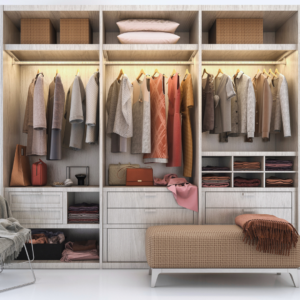
Bedrooms designed with adaptability in mind can accommodate different occupants or functions. Adjustable wardrobes and modular furniture systems allow easy reconfiguration. Rooms can serve as nurseries, guest rooms, or hobby spaces as needed.
Effective storage is vital for flexibility. Incorporating under-bed storage, wall-mounted shelves, and attic access maximises capacity without reducing living areas. This prevents clutter while allowing the home to adjust naturally to changing needs over time.
A home designed to adjust as needs change requires thoughtful planning in its structure and technology. This includes ensuring accessibility, seamless integration of smart systems, and energy efficiency to support long-term usability and cost savings.
Universal design focuses on creating spaces that anyone can use comfortably, regardless of age or ability. Features like wider doorways, step-free entrances, and lever-style handles allow the home to adapt as mobility changes occur.
Incorporating adjustable counters and sinks makes kitchens and bathrooms flexible for different users. Clear, spacious layouts improve movement for wheelchair users and reduce fall risks for seniors.
These considerations eliminate costly future renovations while making the home welcoming for all occupants. It supports the concept of a home that evolves by anticipating physical needs before they arise.
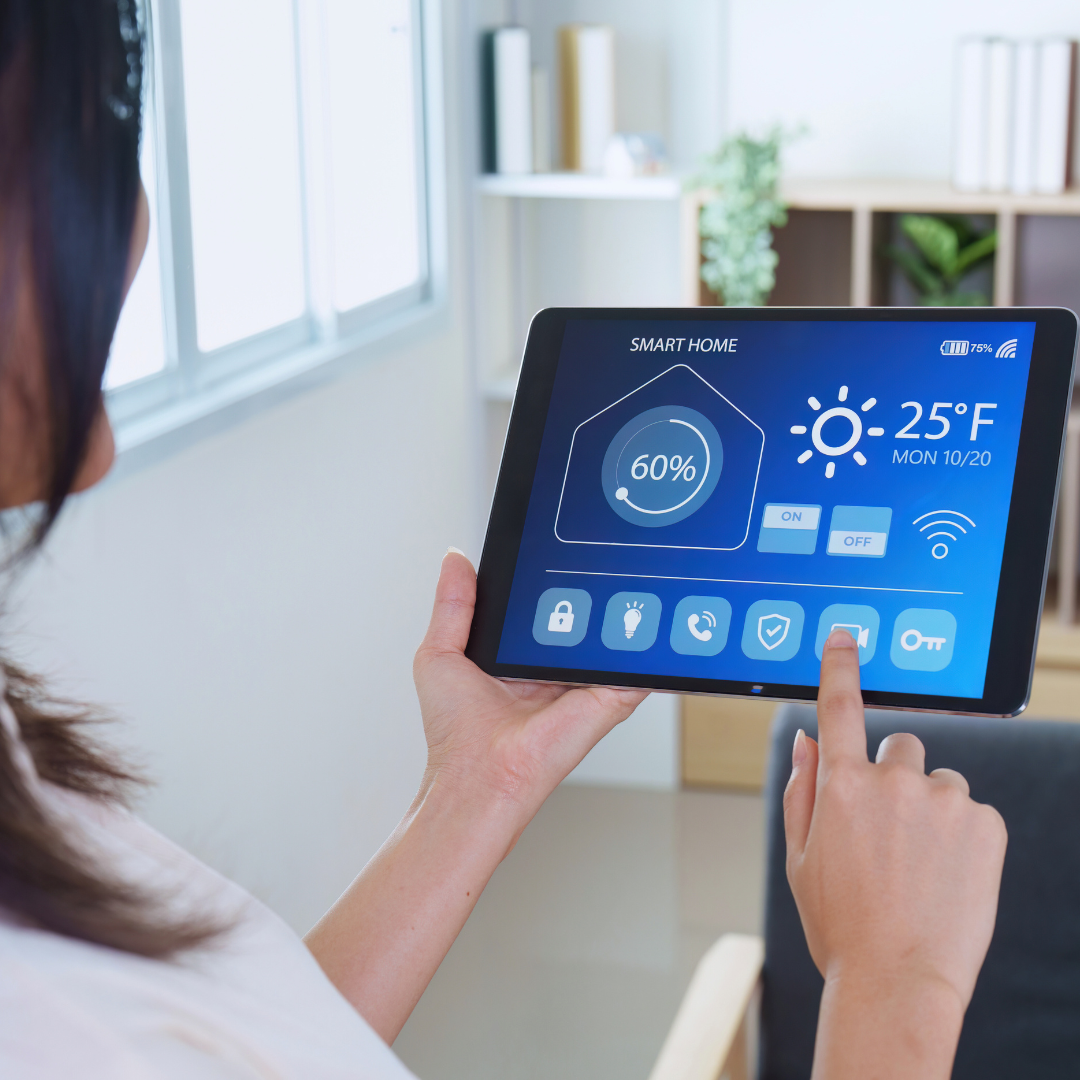
Smart home technology improves convenience, security, and energy management. Devices such as voice-activated assistants, automated lighting, and remote-controlled heating systems adapt easily to changing lifestyles.
Installing a central hub allows integration of various systems, enabling the house to respond to real-time data. For example, motion sensors can adjust lighting based on occupancy, while smart locks increase security with minimal effort.
Planning for smart wiring and removable panels ensures technology can be upgraded without major disruption. This approach encourages a home that grows with you, adjusting as new technologies become available.
Choosing sustainable materials and appliances reduces environmental impact and utility bills. Insulation, double glazing, and energy-efficient boilers maintain comfortable temperatures year-round and conserve resources.
Renewable energy options, like solar panels or heat pumps, offer long-term savings and energy independence. These systems should be scalable to match future household changes or expansions.
Water-saving fixtures and LED lighting further enhance efficiency. Making these choices upfront supports a home designed to last and evolve without excessive running costs.
Designing a home that evolves requires attention to how living patterns change over time. It must support diverse family arrangements, flexible outdoor areas, and foster connections within a community. These elements ensure the home remains practical and comfortable with shifting lifestyles.
A home designed for multi-generational living includes private spaces for each household while maintaining shared common areas. Separate entrances and additional bathrooms add independence and privacy. Consider soundproofing between units and flexible room uses, such as converting a study into a bedroom.
An adaptable layout might include a self-contained flat or upstairs suite. Storage solutions should accommodate varied needs across generations. Attention to accessibility features like ramps or wider doorways prepares the home for older family members.
Outdoor areas should serve multiple functions and be easy to modify as family needs change. Integrating patios, gardens, and play areas that can be reconfigured allows for evolving uses, from family play zones to quiet retreats.
Durable materials withstand different weather conditions and reduce upkeep. Features such as raised garden beds or flexible seating arrangements offer versatility. Planning irrigation and lighting systems for scalability supports long-term usability.
A home that evolves benefits from connectivity with neighbours and local amenities. Designing entrances and pathways to encourage casual interaction fosters a sense of community. Proximity to schools, shops, and transport links is critical.
Incorporating smart home technologies supports communication and enhances security. Shared amenities like community gardens or recreational spaces extend living options beyond the property. Ensuring adaptable infrastructure can meet future connectivity needs saves costly adjustments later.